


What is hydronephrosis?
The main function of the urinary tract is to remove waste and fluid from the body. The urinary tract has four parts: the kidneys, ureters, bladder, and urethra. Urine is formed when the kidneys filter blood and remove excess fluids and waste materials. Urine collects in a part of the kidney called the renal pelvis. From the renal pelvis, urine flows down a narrow tube called the ureter to the bladder. The bladder slowly fills with urine, which is emptied through another small tube called the urethra.
Hydronephrosis is the swelling of one or both kidneys due to urine accumulation. This can occur due to an obstruction in the ureters that drain urine from the kidneys to the bladder or an anatomical defect that prevents urine from exiting properly.
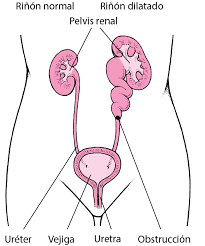
Hydronephrosis can occur at any age. Hydronephrosis in children can be diagnosed during infancy or sometimes during a prenatal ultrasound.
Hydronephrosis can be asymptomatic, but if symptoms are present, the main symptom is pain, either in the flank and back, abdomen, or groin. Other symptoms may include painful urination, other urination problems (increased urgency or frequency, incomplete urination, incontinence), nausea, and fever. These symptoms depend on the cause and severity of the urinary blockage.
How does hydronephrosis occur?
Hydronephrosis is usually caused by another underlying disease or risk factor. Causes of hydronephrosis include, but are not limited to, the following diseases or risk factors:
- Kidney stones
- Congenital blockage (a defect present at birth)
- Blood clot
- Tissue scarring (from previous injury or surgery)
- Tumor or cancer (including bladder, cervical, colon, or prostate)
- Enlarged prostate (non-cancerous)
- Pregnancy
- Urinary tract infection (or other diseases that cause urinary tract inflammation)
How is hydronephrosis diagnosed?
Your primary care physician may refer you to a urologist for diagnosis.
Tests to diagnose hydronephrosis may include:
- A blood test to evaluate kidney function.
- A urine test to determine if there are signs of infection or urinary stones that could cause an obstruction.
- An ultrasound imaging exam, during which the doctor can view the kidneys, bladder, and other urinary structures to identify potential problems.
- A specialized X-ray of the urinary tract that uses a special contrast medium to highlight the kidneys, ureters, bladder, and urethra, and captures images before and during urination.
Hydronephrosis is usually treated by addressing the underlying disease or cause, such as a kidney stone or an infection. Some cases may resolve without surgery. Infections can be treated with antibiotics. A kidney stone may pass on its own or may be severe enough to require surgical removal.
In cases of severe obstruction and hydronephrosis, it may be necessary to remove excess urine using a catheter to drain urine from the bladder or a special tube called a nephrostomy that drains urine from the kidney. The key to treatment is to address it as soon as possible to avoid permanent kidney damage.
Severe cases of urinary obstruction and hydronephrosis can damage the kidneys and lead to kidney failure. If kidney failure occurs, treatment with dialysis or a kidney transplant will be needed. However, most people can recover from hydronephrosis if treated promptly.
Ref:
https://www.mayoclinic.org/es-es/diseases-conditions/hydronephrosis/cdc-20397563


