


At the molecular level, kidney stones form when mineral salts suspended in urine become too concentrated and there isn't enough urine volume to dissolve them. These minerals begin to precipitate, and if there are not enough crystallization inhibitors, they form crystal nuclei that grow and turn into stones.
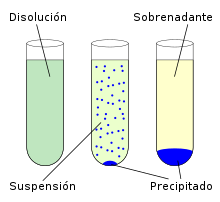
A crystallization inhibitor is a molecule that will bind to suspended minerals to stop crystal formation, growth, or aggregation with other crystals.
We all have naturally occurring crystallization inhibitors in our urine, such as citrates or magnesium. However, when there is a scarcity of inhibitors, an imbalance can occur in the urine between substances that will form stones and substances that will prevent them. This imbalance can be due to poor intestinal absorption, kidney failure, or urinary tract infections. If this is not compensated by providing enough inhibitors through diet or food supplements, stones are more likely to form and at a faster rate.
A crystallization inhibitor is a molecule that will bind to suspended minerals to stop crystal formation, growth, or aggregation with other crystals.
We all have naturally occurring crystallization inhibitors in our urine, such as citrates or magnesium. However, when there is a scarcity of inhibitors, an imbalance can occur in the urine between substances that will form stones and substances that will prevent them. This imbalance can be due to poor intestinal absorption, kidney failure, or urinary tract infections. If this is not compensated by providing enough inhibitors through diet or food supplements, stones are more likely to form and at a faster rate.
However, certain inhibitors are specific to one type of mineral, such as citrates, magnesium, or theobromine, while others can inhibit the formation of crystals of different types, such as phytates. Thus, it is important to first identify your type of stone before starting treatment to identify the potential causes of stone formation and ensure the effectiveness of the treatment in preventing it.


