


1. What is a kidney stone?
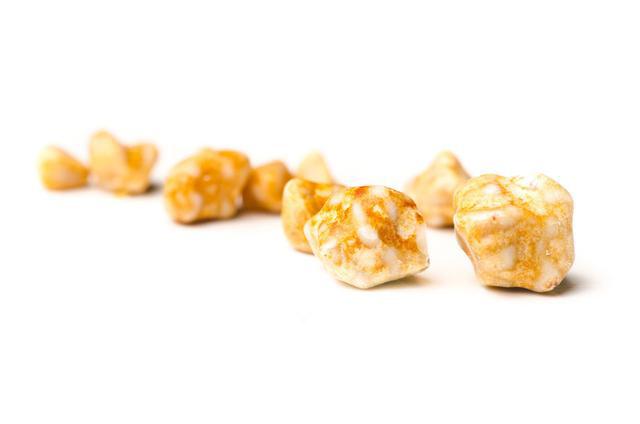
Kidney stones, or renal calculi, occur when crystals or mineral salts accumulate due to different substances in the urine. These stones can vary in size, from a grain of sand to the size of a grape.
2. If a kidney stone is removed, can more form? What can be done to prevent them from recurring?
The removal of a stone does not mean that more will not form. In fact, studies show a recurrence rate of 50% within the first 5 years and up to 80% in the 10 years following stone removal or expulsion. Stone formation is closely linked to hereditary factors, diet, lifestyle, and a person's race, among others. Even so, there are products that help prevent the recurrence of these stones by regulating urinary pH and preventing crystallization.
3. How much liquid should I drink daily?
You should drink 2 to 3 liters of fluids daily, although not all liquids are suitable. We are mainly talking about water, juices, soups, or fresh fruit. This will help prevent and expel kidney stones.

4. What foods should I eat?
The type of diet you should follow will depend on the composition of your kidney stones and your urinary pH. You can find dietary recommendations here.
5. What symptoms will I experience if I have a kidney stone?
The main symptoms are:
-
Intense pain in the back or side that does not go away.
-
Blood in the urine.
-
Fever and chills.
-
Vomiting.
-
Urine that smells bad or looks cloudy.
-
A burning sensation when urinating.
6. Can I take medication to prevent kidney stones from recurring?
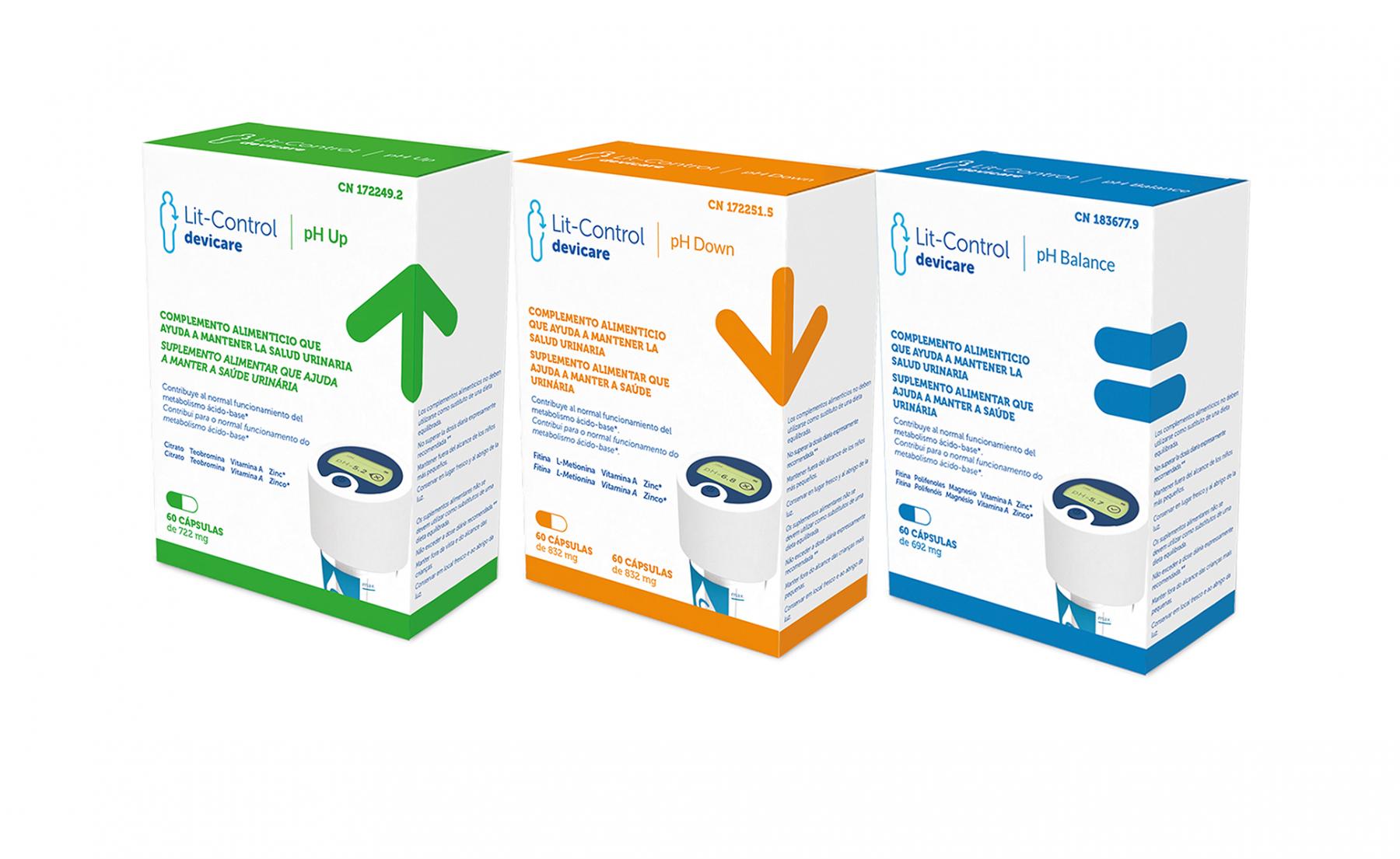
It is advisable to first understand the composition of your kidney stone. This way, a urologist can tell you what type of supplement you should take to maintain your pH within the appropriate range and prevent crystallization and formation.
7. What types of kidney stones are there?
There are mainly 4 types of kidney stones. The most common (representing between 60% and 80%) are calcium stones, but your stone could also be composed of struvite, uric acid, or cystine. For each of these, your doctor will give you different recommendations, as the cause of their appearance is different. You can find more information about the types of kidney stones here.
8. How can you find out what type of kidney stone you have?
To determine the type of stone, it is important to collect it if you pass it spontaneously and take it to your doctor for analysis. To collect it, you need to use a strainer every time you urinate. You can find more information about collection here.
If the stone is surgically removed, your doctor can send it for analysis to determine its composition.
It is also possible to determine the composition of a stone, although with less precision, through an examination using an imaging study such as an ultrasound.
9. How can I find out my urinary pH?
There are various techniques to determine urinary pH: test strips, laboratory analyses, and the medical device Lit-Control pH Meter that is the most innovative and accurate on the market.
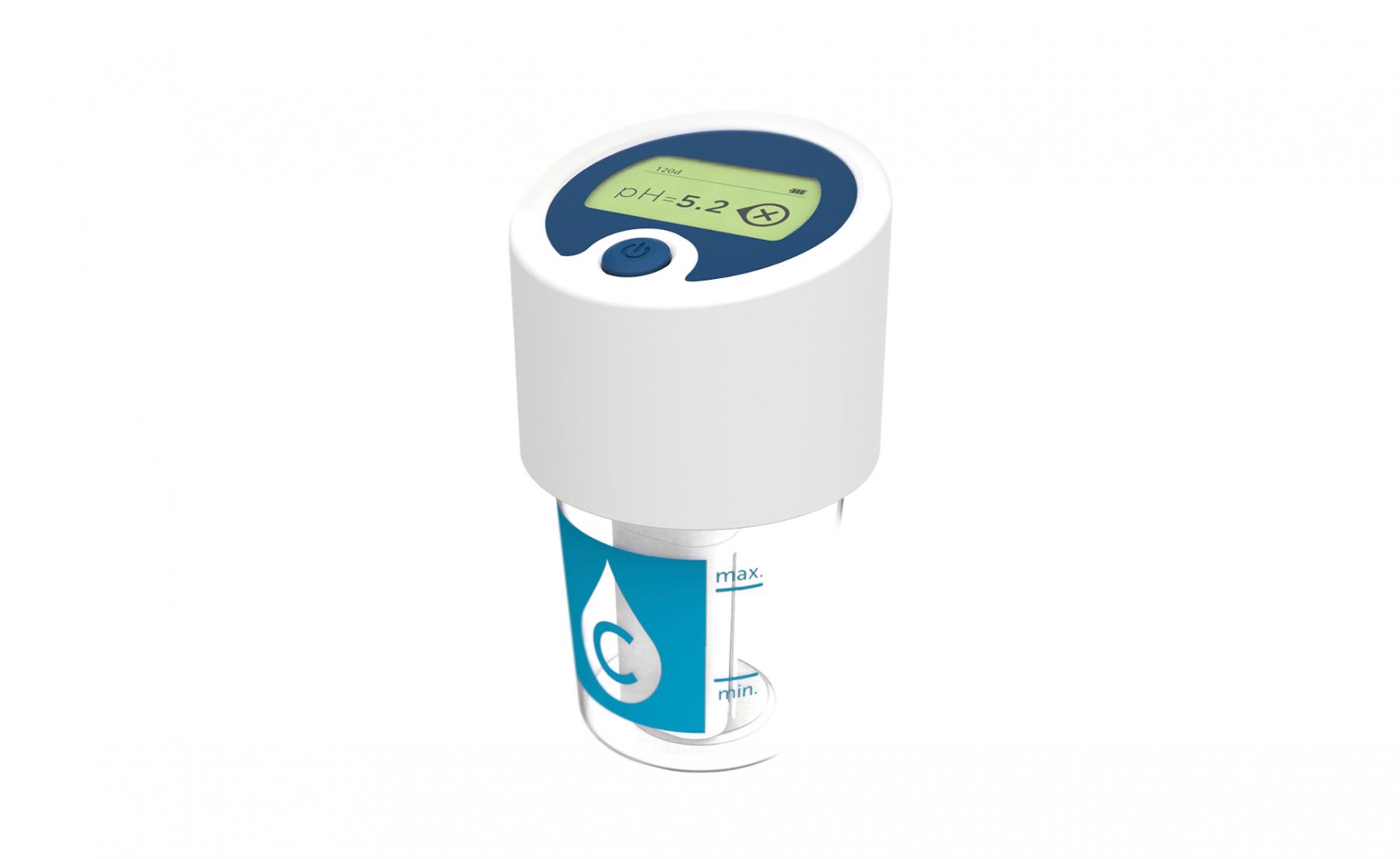
Urinary pH will provide very relevant information to prevent recurrence in kidney stone formation, as it will allow you to stay within the recommended therapeutic range for your type of stone.
10. Can an abdominal X-ray determine if there is a kidney stone?
If this test is not complemented by others, its sensitivity or ability to detect the pathology may decrease by up to 59%. This is due to several factors: stones smaller than 2mm are not visible, the type of stone (uric acid stones will not be seen), and the superposition of intestinal air or bone interposition, among others. You can find more information about different imaging techniques for stone detection here.
References:
https://medlineplus.gov/spanish/ency/patientinstructions/000186.htm


